

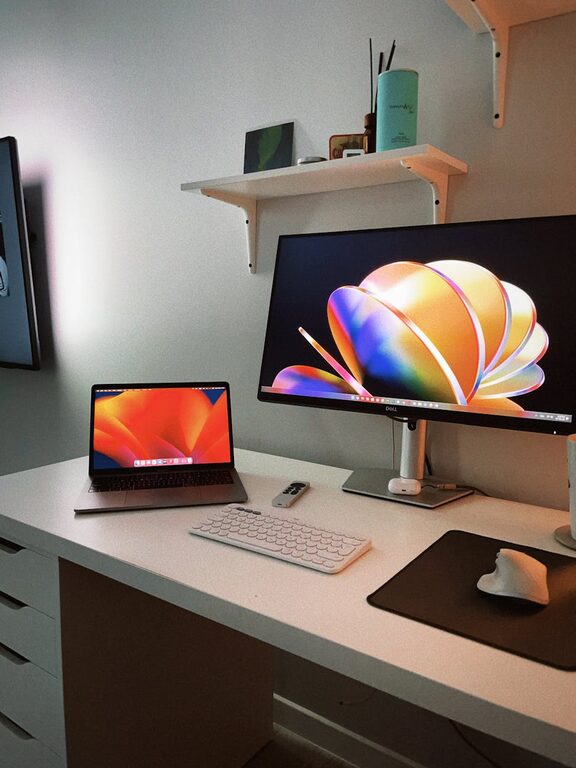
Having a tidy and well-organized workspace can make a significant difference in how productive and focused you feel throughout the day. Whether you work from home or in an office, clutter can distract your mind, slow down your workflow, and increase stress levels. Fortunately, organizing your workspace doesn’t have to be overwhelming. With a few practical strategies, you can create an environment that supports your work and helps you stay on track.
Why a Clutter-Free Workspace Matters
Before diving into the tips, it’s important to understand why maintaining a clutter-free workspace is beneficial:
– Improves Focus: Fewer distractions help your brain concentrate on the task at hand.
– Boosts Efficiency: An organized space means less time searching for items or documents.
– Reduces Stress: A clean environment can promote a sense of calm and control.
– Increases Motivation: A neat area can make work feel more inviting and enjoyable.
Step 1: Clear Out Everything and Start Fresh
The first step to getting organized is to start with a blank slate.
– Remove everything from your desk and surrounding area.
– Sort through your items and decide what you really need.
– Discard or donate items that are broken, outdated, or no longer useful.
– Clean your desk surface and any storage areas.
This process gives you a better understanding of what you use daily, what can be stored away, and what should be eliminated.
Step 2: Implement Smart Storage Solutions
Storage is key to avoiding clutter. Here are some ideas to keep your items organized:
Use Drawer Organizers
Divide your desk drawers into sections to keep pens, paper clips, sticky notes, and other small items separated and easy to access.
Incorporate Shelving or Filing Cabinets
Store files, books, and bulky items on shelves or in cabinets to clear your desk space.
Utilize Desk Organizers
Desk trays and containers are perfect for sorting paperwork and office supplies that you use frequently.
Label Everything
Labels help you remember where things belong and make it easier to get back in order after use.
Step 3: Limit What’s on Your Desk Surface
Your desk should only hold essentials needed for your current tasks.
– Keep your computer, required documents, and a few basic supplies like a notebook or pen.
– Avoid stacking papers or piles that don’t relate to your immediate work.
– Use digital tools to reduce paper clutter, scanning important documents or storing notes electronically.
Step 4: Establish Daily Tidying Routines
Maintaining organization involves consistent habits.
– At the end of each workday, spend 5 to 10 minutes tidying your desk.
– File loose papers, put away supplies, and wipe down your workspace.
– Regularly review your workspace and remove any unnecessary items.
These short daily routines prevent clutter from building up over time.
Step 5: Manage Cables and Electronics Neatly
Electronic devices often come with a mess of cables.
– Use cable clips, ties, or sleeves to bundle cords together.
– Keep charging stations and device placement consistent to avoid tangles.
– Consider wireless devices when possible to reduce cable clutter.
Step 6: Personalize Mindfully
While personalization can make your workspace more welcoming, too many decorations can create distractions.
– Choose a few meaningful items like a plant, photo, or artwork.
– Keep decorations minimal and avoid overcrowding your desk.
Step 7: Optimize Lighting and Comfort
An organized workspace is also about creating a comfortable environment.
– Ensure your workspace has ample natural or artificial light.
– Keep your chair and desk height adjusted to promote good posture.
– A comfortable space helps you stay alert and productive.
Bonus Tips
– Digital Declutter: Keep your computer desktop and files organized with folders and regular cleanups.
– Use a Planner or To-Do List: Organize your tasks to avoid paperwork buildup.
– Set Boundaries: Limit non-work-related items like snacks or personal gadgets that may distract you.
—
Creating a clutter-free and organized workspace is a process that requires attention and effort, but the benefits are well worth it. With these tips, you can build habits and an environment that support your productivity and focus, making your workdays smoother and more enjoyable. Start small, stay consistent, and watch how a tidy workspace transforms your work experience.