

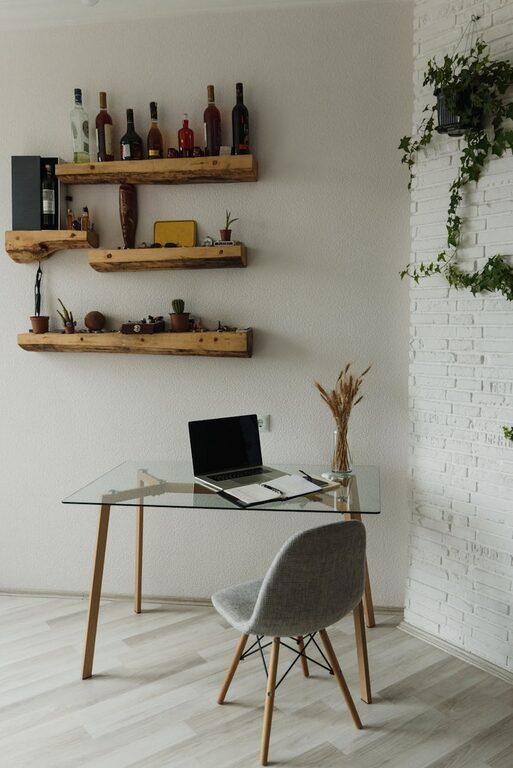
Creating a cozy and functional home workspace is essential for anyone who spends significant time working from home. A well-designed space not only improves productivity but also supports your well-being by reducing stress and enhancing comfort. Whether you have a dedicated room or just a small corner, these practical tips will help you build a workspace that feels both inviting and efficient.
Why a Cozy and Functional Workspace Matters
Spending long hours in an uncomfortable or cluttered area can lead to fatigue and distraction. A cozy workspace, on the other hand, provides a sense of calm and focus. Functionality ensures that you have everything you need within easy reach, helping you work smoothly without interruptions. Together, these elements set the stage for better work-life balance and increased satisfaction.
Choose the Right Location
Find Natural Light
Where possible, select a spot near a window to take advantage of natural light. Sunlight improves mood and alertness, making it easier to stay focused throughout the day. Avoid placing your desk directly against a window if glare on your screen is a problem; consider adjustable blinds or curtains as a solution.
Consider Noise and Privacy
If you live with family or roommates, pick a quieter part of the home where interruptions are minimal. Using noise-canceling headphones or soundproofing materials can help maintain concentration, especially in busier households.
Prioritize Ergonomics
Invest in a Good Chair
A comfortable, supportive chair is key to preventing back and neck pain. Look for an ergonomic design with adjustable height and lumbar support. Remember to sit with your feet flat on the floor and your knees at a right angle.
Set Up Your Desk Properly
Your desk height should allow your elbows to rest comfortably at about 90 degrees. Position your monitor at eye level to avoid strain. Using a laptop stand or monitor riser can help achieve this. Keep your keyboard and mouse within easy reach to minimize overextension.
Organize for Efficiency
Declutter Regularly
A tidy workspace reduces distractions and saves time spent searching for items. Keep only essential tools and paperwork on your desk. Use drawers or boxes to store supplies neatly out of sight.
Use Storage Solutions
Shelving units, filing cabinets, and desk organizers help categorize materials and keep everything accessible. Label your storage containers for quick identification. Vertical storage maximizes space, especially in smaller rooms.
Add Personal Touches
Include Plants
Plants bring life to your space and can improve air quality. Choose low-maintenance varieties like succulents or pothos if you’re new to plant care. A small plant on your desk can boost your mood and creativity.
Decorate Thoughtfully
Incorporate artwork, photos, or meaningful objects that inspire you, but avoid cluttering the space. Choose calming colors and textures that complement your style. Soft rugs, cushions, or throws can add warmth and comfort.
Optimize Lighting
Layer Your Lighting
Combine task lighting, like desk lamps, with ambient lighting to create a balanced environment. Adjustable desk lamps allow you to direct light exactly where you need it, reducing eye strain.
Use Warm Light Bulbs
Warm white bulbs produce a cozy atmosphere that feels less harsh than cool white or daylight bulbs. Adjustable brightness options can help create the perfect mood for different times of day.
Manage Cables and Tech
Tidy Up Wires
Use cable organizers, clips, or sleeves to keep cords from tangling or cluttering your workspace. Label chargers and cords for easier identification. Wireless devices can further reduce cable clutter.
Choose Reliable Technology
Ensure your computer, printer, and internet connection meet your work needs to avoid frustration. Backup important files regularly using cloud storage or external drives to prevent data loss.
Maintain a Work-Life Balance
Define Your Work Hours
Set clear start and end times to keep your workday structured. When your workday is finished, step away from your workspace to help separate professional tasks from personal time.
Take Breaks
Incorporate regular breaks to stretch, hydrate, and rest your eyes. A comfortable chair and area that supports good posture can reduce physical fatigue.
—
By combining comfort with practicality, you can create a home workspace that supports both productivity and relaxation. With thoughtful choices in location, furniture, lighting, and organization, your workspace can become a place you look forward to spending time in each day. Remember that little changes often make a big difference, so take time to personalize your space gradually until it feels just right.