

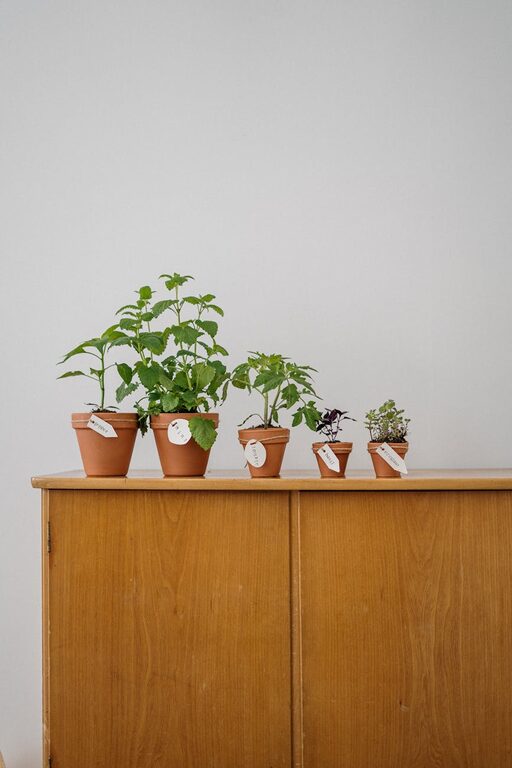
Starting an indoor herb garden is a rewarding and enjoyable way to add fresh flavors to your meals and brighten up your living space. Whether you have a sunny windowsill or a cozy corner, growing herbs indoors can be simple and satisfying. This guide will walk you through easy tips to help you kickstart your small indoor herb garden at home.
Why Grow Herbs Indoors?
Indoor herb gardens offer several benefits:
– Fresh herbs anytime without trips to the store
– Better control over growing conditions and plant health
– Adds greenery and fragrance indoors
– Saves money compared to buying fresh herbs regularly
Choosing the Right Herbs to Grow
When starting your indoor herb garden, picking the right herbs is key. Some herbs are easier to grow indoors due to their light and care needs. Here are some beginner-friendly options:
– Basil: Great for cooking, needs bright light and warmth.
– Mint: Thrives in indirect light; watch out, it can spread quickly.
– Parsley: Does well in medium light and cooler temperatures.
– Thyme: Prefers sunny spots and well-drained soil.
– Chives: Easy to grow, requires moderate light and frequent watering.
– Oregano: Loves bright light and warms up indoor spaces.
– Rosemary: Needs bright light and well-drained soil but grows slowly.
Choose herbs that you enjoy using and that match your home environment.
Selecting Containers and Soil
Containers
Herbs can be grown in various containers, from traditional pots to recycled containers. Consider these tips:
– Use pots with drainage holes to prevent waterlogging.
– Choose containers sized according to the herb; most need at least 6-8 inches in diameter.
– Consider lightweight options like plastic, ceramic, or terracotta.
Soil
Use a high-quality potting mix formulated for indoor plants rather than garden soil. Potting mix ensures good drainage and aeration, which are essential to prevent root rot.
Finding the Perfect Spot
Light is crucial for healthy herb growth. Most herbs need 6-8 hours of sunlight a day. When selecting a location:
– Look for a south- or west-facing window with plenty of natural light.
– If natural light is limited, consider supplementing with a grow light.
– Avoid placing herbs near drafts, heating vents, or air conditioners.
Planting and Watering
Planting
– Fill your containers with potting soil, leaving an inch of space at the top.
– Plant seeds or seedlings according to package instructions.
– Gently firm the soil around seedlings and water lightly.
Watering
– Water herbs when the top inch of soil feels dry.
– Avoid overwatering—water should drain freely from the pot.
– Herbs generally prefer slightly moist soil but not soggy.
Caring for Your Indoor Herb Garden
Light and Temperature
– Maintain 65-75°F (18-24°C) during the day and slightly cooler at night.
– Rotate your plants weekly to promote even growth.
Fertilizing
– Use a balanced, water-soluble fertilizer once every 4-6 weeks.
– Avoid over-fertilizing, which can dilute flavors.
Pruning and Harvesting
– Regularly pinch or trim herbs to encourage bushy growth.
– Harvest after plants are well-established by cutting stems above a leaf node.
– Avoid removing more than one-third of the plant at a time to keep it healthy.
Common Challenges and Solutions
– Yellowing leaves: May indicate overwatering or poor drainage.
– Leggy growth: Often caused by insufficient light; move herbs to brighter spots.
– Pests: Watch for aphids or spider mites; wipe leaves with a damp cloth or use natural insecticidal soap.
– Wilting: Check watering routine and soil moisture.
Tips for Success
– Start with easy herbs before trying more demanding varieties.
– Label your pots to keep track of different herbs.
– Keep a watering schedule or reminder.
– Mix herbs in various containers to create an attractive display.
– Enjoy experimenting with fresh herbs in your cooking!
Final Thoughts
Starting a small indoor herb garden is an accessible and fun project for any home. With the right herbs, containers, location, and care, you’ll enjoy the beauty and flavor of fresh herbs year-round. Happy gardening!
—
For more inspiration and advice on growing plants indoors, check our other gardening guides and tips.